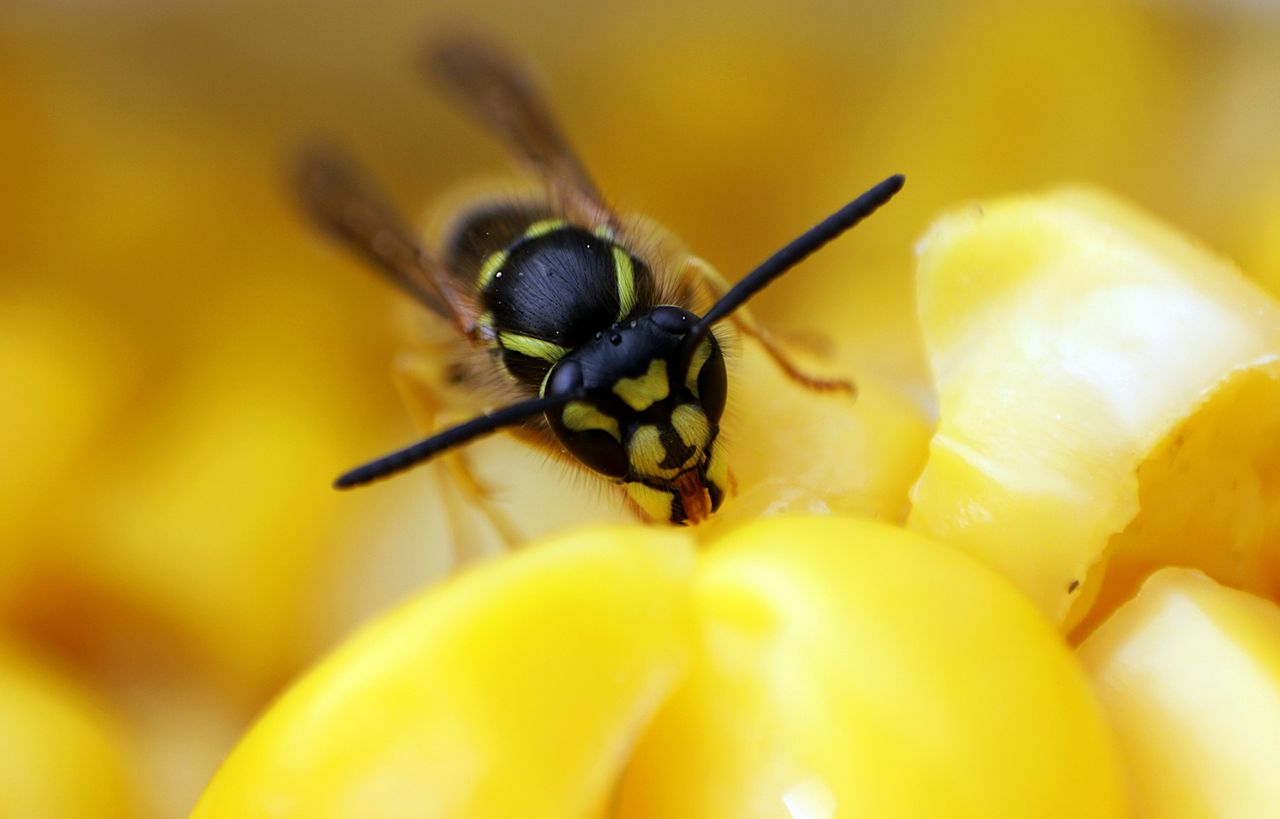


Making the most of your garden during the summer months might seem like fun. However, there is an unfortunate downside to the warm temperatures and outdoor food and drinks: wasps.
Wasps are active during the summer, and enjoy warm weather and busy gardens. These pests can be a nuisance at best, and highly dangerous at worst for those with allergies, so it’s important that you work to prevent wasps where possible.
Thankfully, Copley Pest Solutions has the answer. Our extensive experience carrying out wasp nest removal throughout Bradford, Wakefield, Huddersfield, Leeds, Halifax, West Yorkshire and other regions of the UK, including Sheffield, Blackpool, Manchester, York and beyond means we have the expertise needed to deter wasps.
Keep reading to find out more about how to repel wasps and keep these buzzing insects away from your outdoor space.
Issues Caused By Wasps
Wasps are useful pollinators, and they also eat other insects, such as aphids and small spiders, making them a natural form of pest control.
The issue is that wasps have painful stings, which can cause discomfort and health issues, especially if you are allergic to wasp saliva.
Also, if wasps build nests on your property, then you could face structural damage or issues from swarms of these stinging insects, particularly if you try to remove the nest yourself.
That’s why it’s crucial that you try to deter wasps and keep wasps away from your outdoor space and home.
What Attracts Wasps?
Like most pests, wasps are attracted to a reliable food source. Wasps will eat almost anything, and they will scavenge for whatever they can find. Some of the foods that can attract wasps to your garden include:
- Uncovered drinks and food from BBQs and picnics
- Fallen fruit from trees
- Poorly-stored pet food
- Bird food from feeders
- Unsecured rubbish bins
- Compost bins with food waste on them
Additionally, wasps also look for sources of water, so they might be attracted to leaky taps, bird baths, pet water bowls and garden ponds.
Simple Ways To Deter Wasps
Because wasps can fly, it can be difficult to fully prevent wasps from gaining access to your outside space. However, there are some simple ways to repel wasps and reduce the chances of them building a nest on your property, including:
- Grow Strongly Scented Plants: There are certain strong smells which help to deter wasps, including lemongrass, mint and cloves are all off putting to wasps, and you don’t need a huge space to grow these plants either. Plant mint in your garden borders or add a window box of fresh mint to discourage wasps from entering your home.
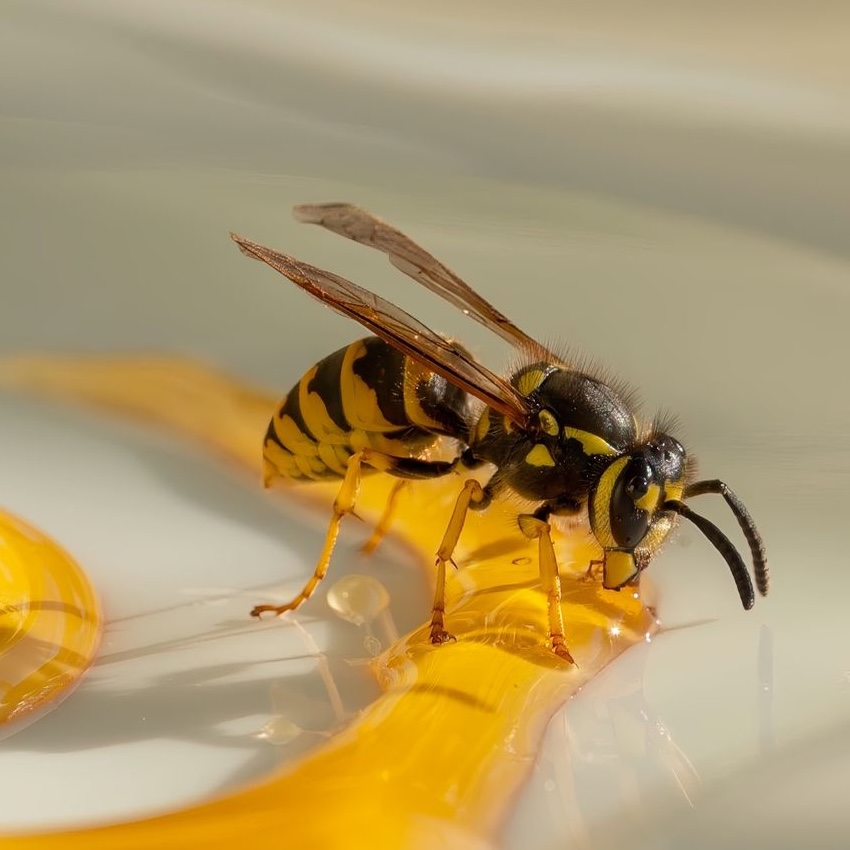
- Keep Food And Drinks Covered: Wasps are particularly attracted to sweetness, so cover any cakes, puddings or sweet fizzy drinks as soon as you’ve finished with them. You can purchase covers designed specifically for cakes or drinks glasses but a plastic bag or an empty cupcake wrapper is just as effective. Remember to bring all food and drink inside with you when you’ve finished to discourage wasps from returning.
- Remove Other Potential Food And Water Sources: As well as food you bring outside, make sure you remove fallen fruit, secure bins and remove other potential outdoor food sources for wasps. Wasps also look for water, so fix any taps that are leaking.
- Burn Citronella Candles: Candles fragranced with citronella don’t just repel wasps, they can also keep other pests like mosquitos at bay too. You can purchase them in pretty containers to match your decor or as plain tea lights for a more subtle look.
- Place Wasp Traps: You can make your own wasp traps by adding sugar water solution to a bottle. Wasps will be attracted to the sweetness and then likely become trapped inside. Hang traps at various points around your garden, such as from tree branches, but be very careful when checking them later; any wasps that are still alive are likely to be highly agitated if you try to release them.
What To Do If You Find A Wasp Nest
If you find a wasp nest in your outdoor space, or inside your home, then you need to act quickly. Wasp build nests in tight spaces, such as sheds, garages, roofs and even inside chimneys.
Wasps tend to get territorial around their nests, and will defend their queen from intruders, so you could get stung multiple times if you try to remove a wasp nest without the appropriate personal protective equipment.
Also, wasps only use a nest once, so you might find multiple old nests in your space. Learn more in our guide: How Long Does A Wasp Nest Last?
If you follow the tips in this article you should reduce the chances of finding a wasp nest on your property, but it’s impossible to fully prevent these flying insects.
Make sure you book professional wasp nest removal to ensure the safety of yourself, your property and your family. Professional wasp nest treatment is the safest approach, especially for large, active nests that are near to areas where people spend a lot of time.
Most large wasp nests contain thousands of wasps, so it is always best to be proactive. Small, newly-formed wasp nests are easier to deal with than large, established nests.
So, as soon as you notice a wasp nest in your garden or home, contact us on 08003029447 to book fast, effective wasp nest treatment.