


At A Glance: It’s important not to panic. Hantavirus is spread through contact with rodents, and while rare cases of person to person transmission of the Andes strain have been known, this strain is not often found in UK vermin and avoiding rodents is the best way to protect yourself and your family from Hantavirus.
Hantavirus has been a hot topic recently, with an outbreak on a cruise ship and fears of a new pandemic spreading rapidly.
The term Hantavirus refers to a family of zoonotic viruses belonging to the family Hantaviridae, within the order Bunyavirales, which are carried by wild rodents.
While Hantavirus doesn’t usually affect rodents at all, when it spreads to humans it can cause severe symptoms and, in some cases, be fatal.
At Copley Pest Control, we understand the fears around Hantavirus, since the disease is spread through contact with rodents, such as rats, mice and squirrels, all of which are prevalent throughout the UK.
To help you learn more about Hantavirus, including how to identify early symptoms and prevent the further spread of the disease, we’ve put together this handy guide.
What Are The Symptoms Of Hantavirus?
There are many strains of Hantavirus, each with different symptoms. The strain that has been in the news recently is the Andes Virus, which is rare in the UK.
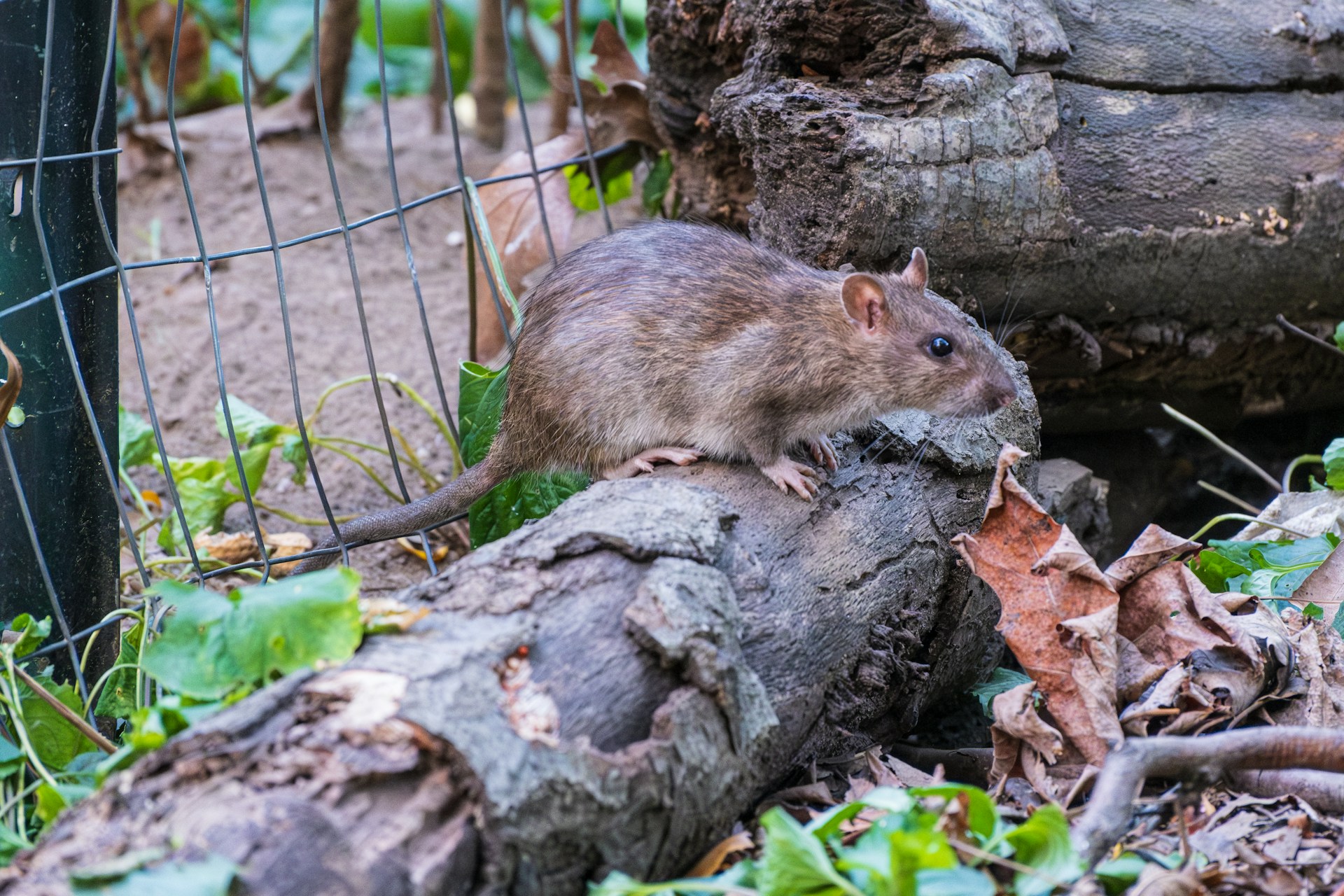
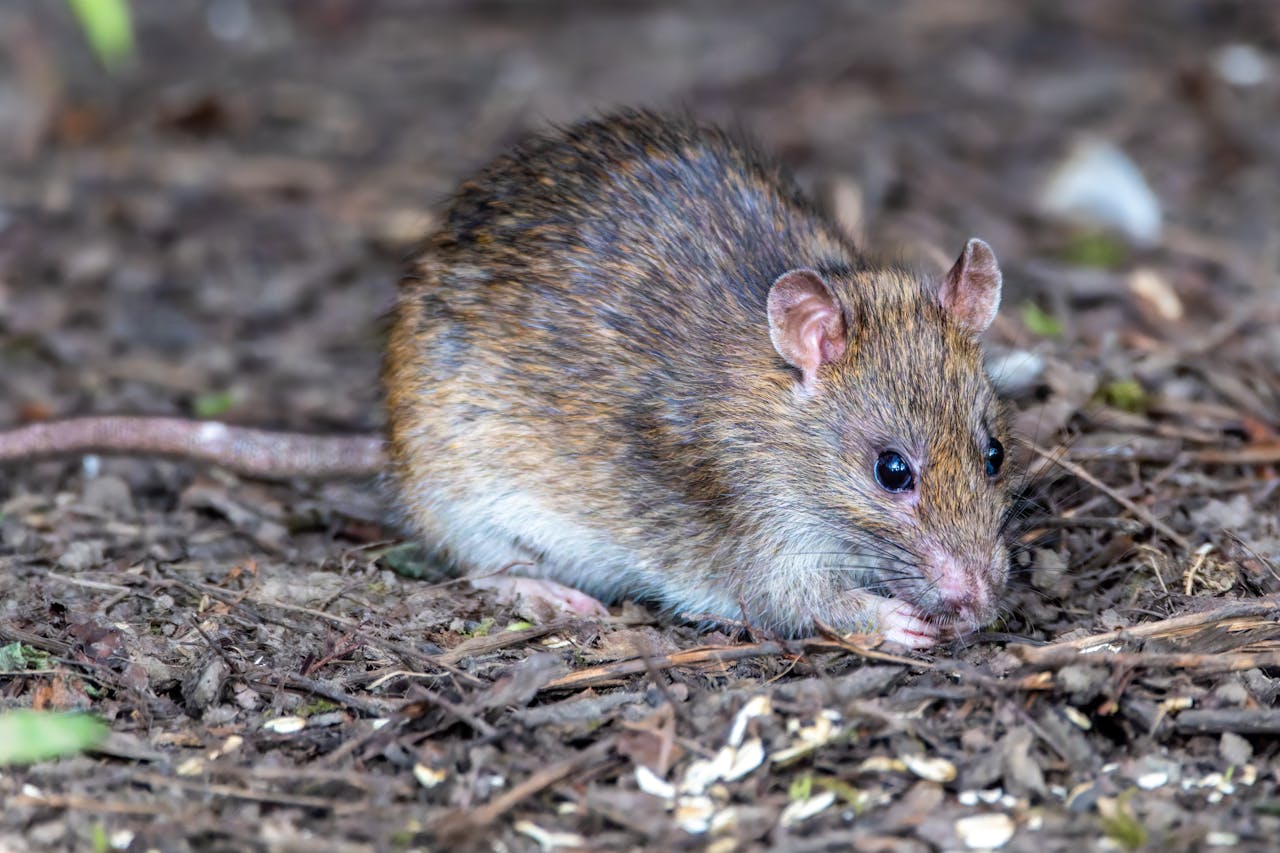
Seoul Hantavirus is the strain found in the UK, and is usually spread by brown rats and other common rodent species.
While both have the same early flu-like symptoms, including fever, chills, muscle aches, nausea and vomiting, they each attack different parts of the body.
Andes Hantavirus, which is commonly found in South America and recently spread through an outbreak on a cruise ship, causes Hantavirus Pulmonary Syndrome (HPS), a severe respiratory illness. Many patients with this strain have severe respiratory symptoms including coughing and difficulty breathing, meaning they often end up needing ventilation and intensive care.
Seoul Virus, on the other hand, causes Hemorrhagic Fever with Renal Syndrome (HFRS), attacking the kidneys and causing acute kidney failure, low blood pressure and internal bleeding.
Both are serious issues, with different risks of death. HPS has a mortality rate of 50%, while HFRS has 1-15% mortality rate.
Since HFRS is the most common strain in the UK and Europe, and HPS is incredibly rare, there is an incredibly low chance of death, but early diagnosis and medical intervention can reduce the chances of a fatality from catching Hantavirus.
How Do You Catch Hantavirus?
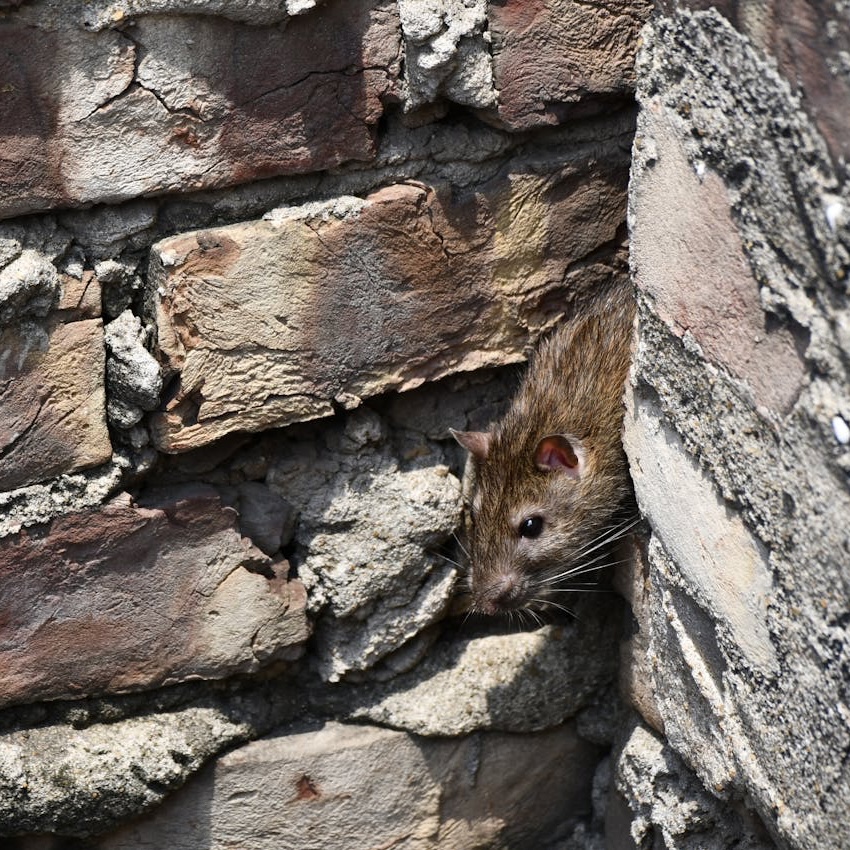
In many cases, the virus particles spread from contact with rodents, their urine, saliva, nesting materials or droppings. Since rodents are usually asymptomatic, and don’t have visible signs of Hantavirus, it can be difficult to tell if a wild rodent you encounter is a risk.
That’s why it is recommended that you stay away from wild rats, mice, squirrels, voles and other rodents, and that any droppings, urine or saliva are cleaned away using protective equipment. Prolonged contact with infected rodent nests and other debris increase your risk of catching Hantavirus, so it’s worth being vigilant and avoiding rodent exposure where possible.
If you have pet rodents, they can be tested for Hantavirus, which means you can reduce the chances of an issue. However, the main issue is wild rodents, which is why it’s vital that you prevent infestations.
Using rodent proofing, sealing entry points, and using CCTV drain surveys to identify damage to pipework that could let rats in could help you limit your chances of a rodent infestation on your property Also, make sure you store food in sealed containers and using professional waste management to get rid of rubbish quickly can limit potential food sources and make your space less appealing to rodents.
Can Hantavirus Be Spread From Person To Person?
Person to person transmission is rare in Hantavirus. Only the Andes Virus strain has human to human transmission, and this is rare.
Usually, this is caused when someone has close and prolonged contact with someone who has Andes Hantavirus.
Seoul Hantavirus, which is found in the UK and throughout Europe, is not spread between people, and while person to person transmission can occur with Andes Hantavirus, it is not usually found in the UK.
Anyone exposed to the Andes strain is advised to quarantine, reducing the potential spread of this infectious disease. As a result, you are highly unlikely to be exposed to Andes Hantavirus in the UK.
How To Prevent Hantavirus
Ultimately, it’s important not to panic. Hantavirus doesn’t spread easily among people, like other illnesses, and the only strain that passes between people is not commonly found in the UK or Europe.
Still, in the UK you may encounter Hantavirus, and so it pays to be prepared. The best way to prevent Hantavirus infection is to avoid exposure to rodents, rodent urine, droppings or saliva.
This means working with experienced pest control providers like Copley Pest Solutions. Our team offer domestic and commercial pest control throughout across Bradford, Wakefield, Huddersfield, Leeds, Halifax, West Yorkshire and other regions of the UK, including Sheffield, Blackpool, Manchester, York and beyond. Thanks to our extensive expertise, we can provide lasting support to get rid of your rodent infestation before it causes issues such as the spread of Hantavirus and other diseases.
Commercial properties and sites such as cruise ships, public transport, hotels and large retail outlets are particularly vulnerable to rodent problems and can be the cause of outbreaks. This can lead to reputation damage and a major public health issue.
Whether you manage a commercial site, or are simply concerned about the presence of rodents near your home, Copley Pest Solutions can provide tailored rodent control that keeps rats, mice, squirrels and other vermin away for good.
To significantly reduce the chances of a Hantavirus outbreak at your commercial premises or eradicate rodents in your home, contact us on 08003029447.